
By Christen Commuso, Policy Specialist
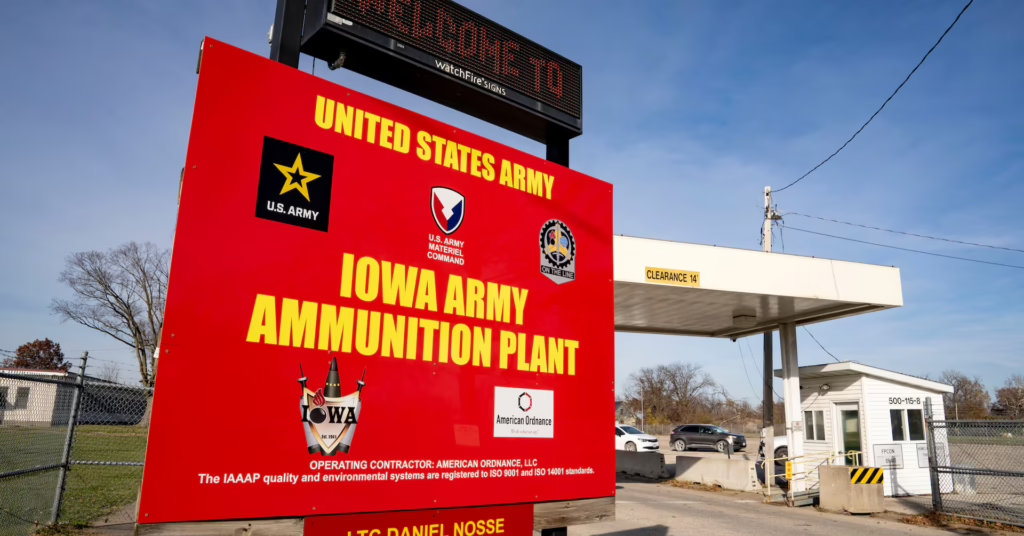
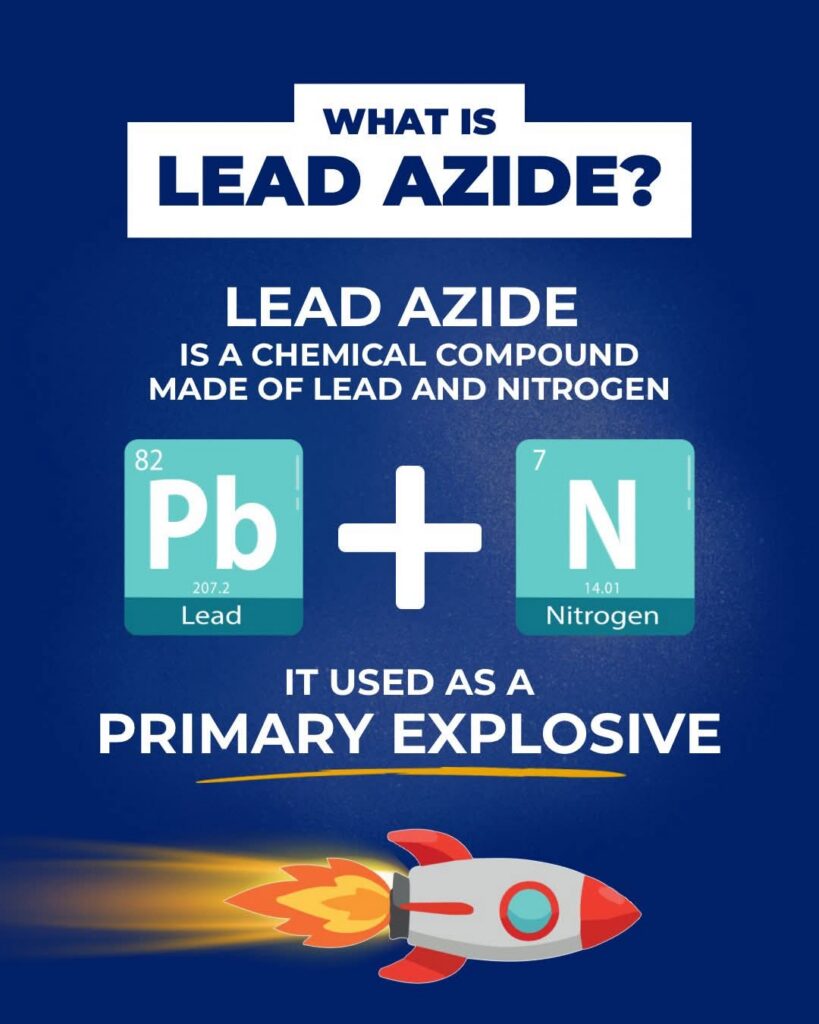
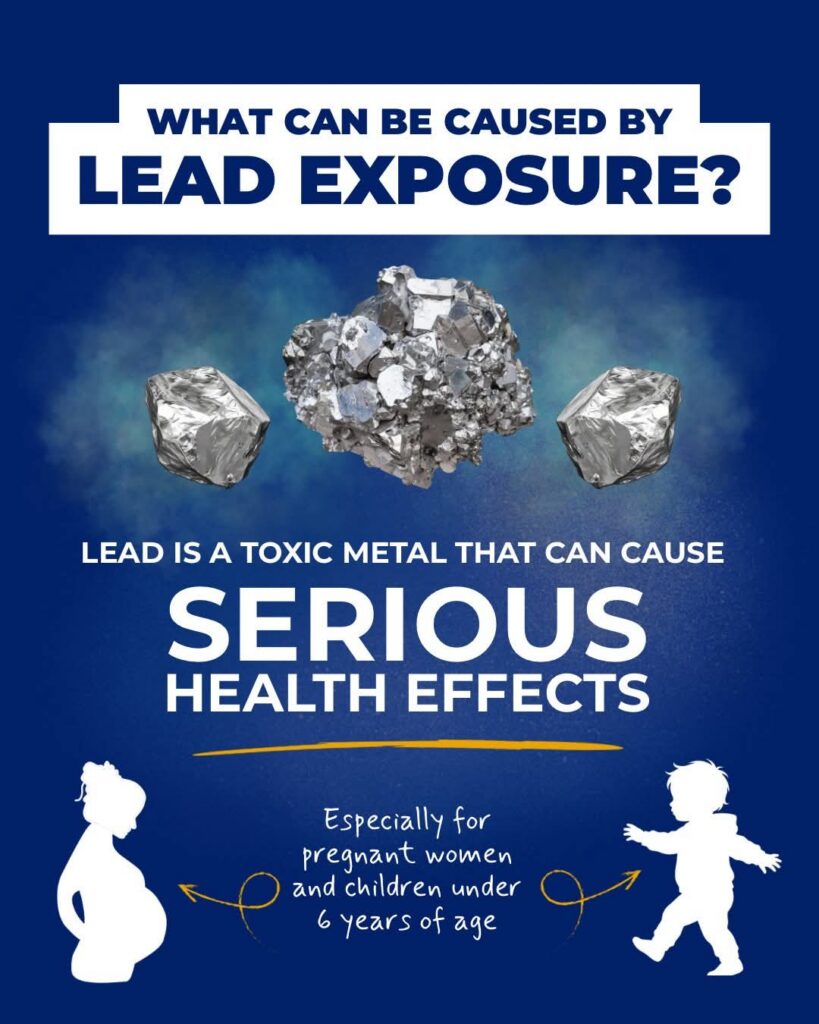
Like many others, we are deeply concerned about the U.S. Army’s plans to proceed with the detonation of nearly five tons (68 drums) of degraded lead azide explosives at the Iowa Army Ammunition Plant (IAAAP) in Middletown, Iowa. The Army’s plan was briefly delayed after a federal court granted a temporary pause while it worked through a lawsuit filed by environmental groups. Now, the Army says it cannot wait due to volatile conditions and will invoke emergency provisions to move around the suit. As of today, the detonation is now scheduled for November 25—the day before Thanksgiving, when families should be gathering to celebrate the holiday. Instead, some residents may be forced to evacuate their homes, while others may be instructed to shelter in place. It is important to note, there is no safe level of lead exposure, and pregnant individuals and children are most vulnerable.
St. Louisans understand firsthand what it means to have our communities exploited, neglected, and exposed to toxic hazards by the military-industrial complex and weapons manufacturers. For decades, the Army allowed leaking barrels of radioactive waste from the Manhattan Project to contaminate our communities, waterways, and agricultural lands. Additionally, during the Cold War, chemicals were sprayed over unsuspecting St. Louis residents without their knowledge or consent under the guise of creating a “smokescreen” against the Russians. The parallels to the current situation are deeply troubling and raise serious concerns about public safety and government accountability,
I would be remiss if I didn’t mention that the IAAAP site is also a U.S. Army Corps of Engineers Formerly Utilized Sites Remedial Action Program (FUSRAP) site. As a reminder, FUSRAP is tasked with identifying and remediating radioactive weapons waste derived from the Manhattan Project and Atomic Energy Commission activities. Given this history, there are additional questions about the potential for the detonation to disturb existing radioactive contamination and release radioactive particulates into the surrounding environment.
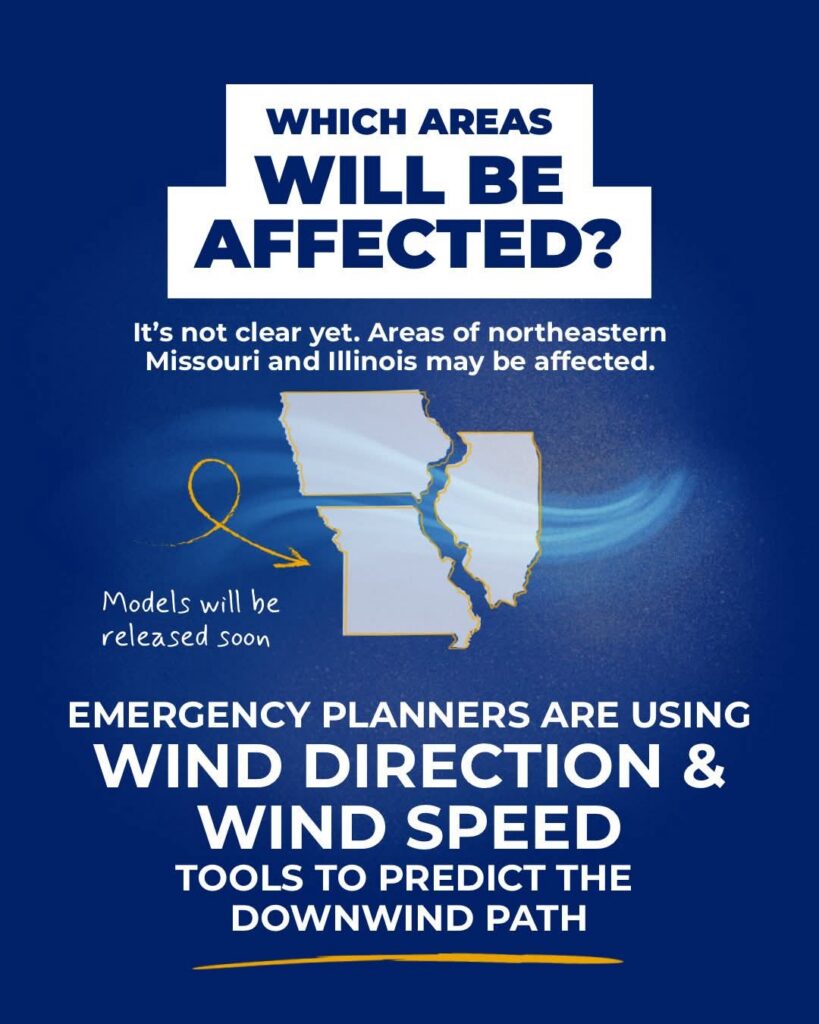
It is estimated that the detonation could send toxic lead dust nearly 100 miles. Current forecasts show winds from the north will carry the resulting toxic lead plume toward Missouri, putting communities across our state at risk. In response, Governor Kehoe issued a statement last week indicating that he had “activated a multi-state agency system” and implemented a comprehensive plan to monitor air, water, agriculture, and public health following the detonation.
The state agencies placed on alert reportedly include the Department of Natural Resources, Department of Health and Senior Services, Department of Agriculture, Department of Mental Health – Office of Disaster Services, and the State Emergency Management Agency.
While these preparations are important, Missouri residents deserve transparency, clear and timely communication, and assurances that every possible measure is being taken to protect public health and safety. Our communities should not be expected to bear the consequences of decisions made without their input or consent.
There is water testing occurring at the following areas being headed by Kim Parker with Washington University. People can reach out to her directly if they want to help. kmparker@wustl.edu
Region 1: Locations on the Mississippi between the Iowa border to Hannibal, MO:
Highest priority period: early Monday Nov 23 to late Wednesday Nov 25
Sampling frequency: every 4 to 12 hrs, or as schedule permits
Region 2: Locations on the Mississippi between Hannibal, MO, to St. Louis, MO
Highest priority period: Wednesday Nov 25 to Saturday Nov 28, but ideally would sample Monday Nov 23 continuing though Sunday Nov 29
Sampling frequency: 1-2x per day, or as schedule permits
People may also want to collect their own soil and water samples to establish background levels before the detonation.